When you close on your home, you aren’t just buying a place to live. You’re also becoming part-owner of something bigger: your community.
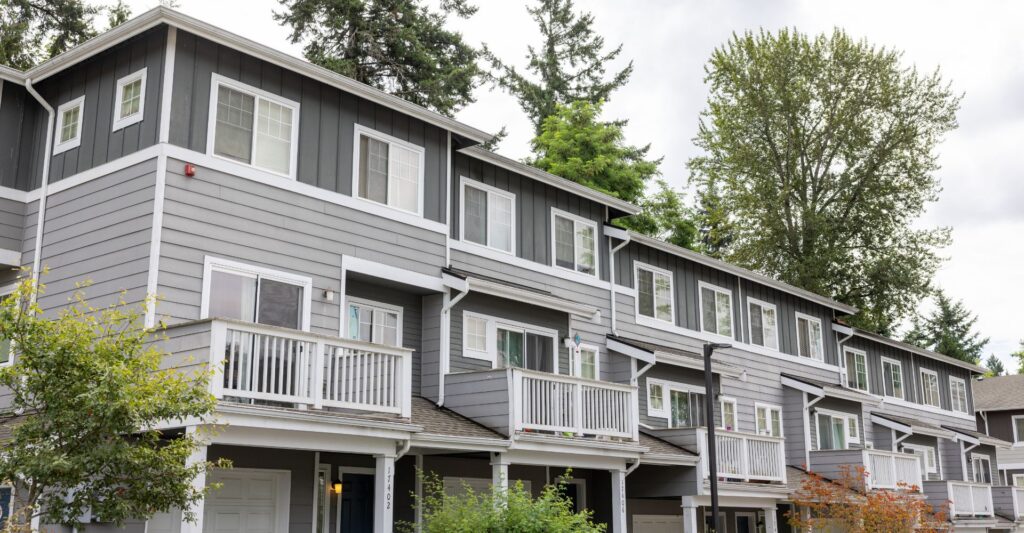
Think of the areas outside your front door that everyone sees or shares: play equipment, green space, trash enclosures, and yes, even roofs, siding, and gutters.
HOAs exist to maintain the spaces everyone uses, and create fair, predictable expectations for neighbors living side by side. None of that happens automatically. It takes people willing to show up and work together to protect what they’ve built.
This guide walks you through how it all works — and how to make it work for you.
What is an HOA — and why does it matter?
A Homeowners Association (HOA) — or Condominium Owners Association (COA) — is a nonprofit organization with elected leadership, budget, rules, and enforcement authority.
When you buy a home in a community with an HOA, membership is automatic and mandatory. That’s how Oregon law works. It means you have rights and responsibilities from day one, and those responsibilities include paying monthly dues and following your community’s rules.
Your HOA is funded by those monthly dues. They cover two things: current maintenance needs and a reserve fund — savings set aside for big future expenses, like replacing the roof or repainting building exteriors.
Most HOAs in Oregon are formed as nonprofit corporations, which means they operate under multiple layers of state law.
The Oregon Nonprofit Corporation Act (ORS Chapter 65) establishes the legal foundation for how HOAs are structured. This including how they’re formed, their record-keeping requirements, and the fiduciary duties and conflict-of-interest standards that govern board members.
From there, the type of community you live in determines which additional law applies. Planned communities (most townhome developments) are governed by the Oregon Planned Community Act (ORS Chapter 94). Condominium associations follow the Oregon Condominium Act (ORS Chapter 100).
Together, these laws establish your baseline rights as a homeowner — and they take precedence if your HOA’s own rules conflict with them.
Who runs the HOA?
Two groups work together to keep your community running:
The Board of Directors is made up of volunteer homeowners — your neighbors — elected by the community. They set budgets, make policy decisions, and vote on rules. Board members serve defined terms, hold specific roles (president, vice president, secretary, treasurer), and answer to the community. Any eligible homeowner can run for a seat.
The Community Management Company handles the day-to-day business: invoicing and collecting dues, getting bids for maintenance work, and providing guidance to the board. They carry out board decisions — but it’s the board, made up of community members like you, that calls the shots.
It’s important to note the management company is not an on-site property manager. They’re not stationed in your community. They may visit once a month or once a quarter. If you report a parking violation, they don’t show up and issue a ticket — they follow the process outlined in your HOA documents, which can take several weeks. This is a big adjustment if you’re coming from renting.
What documents govern your HOA?
Every HOA is built on three foundational documents. You receive a copy at your signing appointment and can request an updated copy from your HOA at any time.
| Document | What It Does |
| Articles of Incorporation | Legally establishes the HOA as a corporation |
| Bylaws | Defines how the HOA operates — board terms, elections, roles, and meeting rules |
| Declarations (CC&Rs) | Covenants, Conditions, and Restrictions; establishes who owns and maintains what, and what homeowners can and cannot do |
These documents are the rulebook for your community. When you have a question about what’s allowed, the answer is almost always in one of these three places.
Quick guide: HOA governing documents — what lives where, and how to find it
What is the HOA responsible for?
Through the board and management company, your HOA is responsible for:
- Maintaining and scheduling repairs for shared areas and elements (this varies by community and may include exterior painting, gutters, roofing, landscaping, or other items)
- Carrying insurance for common areas
- Enforcing community rules consistently and fairly
- Filing taxes and paying shared community expenses
- Planning for the future through the reserve fund

What are you responsible for?
Inside your home: Everything within your four walls — appliances, plumbing, interior repairs — is your responsibility to maintain. Building a savings habit for home maintenance expenses is one of the most important financial habits you can establish as a new homeowner.
Paying your dues: HOA dues are separate from your mortgage. Missing payments can lead to collections proceedings, and in serious cases, a lien on your home or even foreclosure. Set up autopay if your HOA offers it.
Following community rules: Rules cover parking, use of common areas, and what changes you can make to your home. Violations can result in written notices and fines.
Getting HOA approval before changing your home’s exterior: Planning to add a storm door, change your front door, install a security camera, build a shed, or make any other exterior change? Contact your HOA first and get it in writing. Requirements vary by community, and unapproved changes can result in fines — or being required to undo the work.
Resolving neighbor conflicts directly: The HOA enforces rules, but it doesn’t mediate personal disputes between neighbors. If a rule is being violated, contact the management company. For interpersonal conflicts that don’t involve an HOA rule violation, community mediation services may be available in your area. Visit our Mediation Resources page to find organizations that can help.
Staying connected: HOA communities are living things — budgets change, rules get updated, meetings happen. Sign up for every communication channel your HOA offers. Decisions that affect your home get made whether you’re in the room or not.
Can the rules be changed?
Yes — and that’s a feature, not a bug. Rule changes typically require a community meeting and a board vote. Larger amendments may require a vote of the full membership. Your management company will walk the board through the process outlined in your governing documents.
Should you join the board?
Seriously consider it! Board members shape the budget, set maintenance priorities, and make decisions that affect everyone’s quality of life. It’s one of the most direct ways to influence the community you call home — and you don’t need a background in law or finance to contribute.
One thing to know going in: board members have a fiduciary duty to the community. That means every decision — on spending, rules, and priorities — must serve the whole neighborhood, not personal interests or individual grievances. It’s a real responsibility, and communities are stronger when people take it seriously.
Ask your management company how elections work in your community.
More FAQs
Yes. In Oregon, HOA membership is automatic when you purchase a home in a community with an association. There’s no opt-out, and dues begin when you close on your home.
The management company is not a landlord. They don’t live on-site, respond immediately to calls, or clean up issues on demand. Enforcement follows a formal process — often taking weeks — because it has to follow the rules laid out in your governing documents. Expect homeownership timelines, not landlord response times.
The management company typically sends the homeowner a written notice describing the violation, their rights, and any potential fines. The board oversees the process. If you receive a violation notice and need help understanding it, reach out to your community management company or contact Habitat Portland Region at (503) 287-9529 x1323.
Always ask your HOA before starting any work. Submit your request in writing and wait for written approval. This applies to anything that touches the outside of your home or any commonly owned element — including things that might seem minor, like a security camera or a new light fixture.
Oregon law gives homeowners the right to attend and speak at HOA meetings, vote on major decisions, and inspect HOA records including financial statements and meeting minutes. Your HOA must hold at least one member meeting per year and provide advance written notice. If you believe your rights are being violated, you can seek guidance from the Oregon Department of Justice or consult with a licensed attorney.
Questions? We’re here for you.
The Homeownership Education team is here to support you through every stage of homeownership — including navigating your HOA.
Whether you’ve received a notice, have questions about your rights, or just aren’t sure where to start, please reach out.
📞 503-287-9529
🔗 Explore more homeowner resources
This post is part of Habitat Portland Region’s Homeowner Resource Hub — practical information for Habitat homeowners and anyone building confidence in homeownership.